

Everyone has goals. You might want to lose 10 kilograms, run your first 10K, build muscle, or simply stop feeling guilty every time you skip another workout. The problem isn't usually knowing what to do. We all know that eating better, exercising regularly, and getting enough sleep are good ideas. The hard part is doing those things consistently when life gets busy. So the question eternal begs: How can I achieve my goals without losing momentum quickly?
If you've ever found yourself saying, "I'll start on Monday," you're definitely not alone. Motivation comes and goes, and relying on willpower alone rarely works for long.
The good news is that consistency is a skill, not a personality trait. With the right systems, support, and mindset, anyone can build habits that stick. In this article, we'll explore practical ways to stay on track, avoid common mistakes, and create an environment where reaching your health and fitness goals becomes much more achievable.
The biggest obstacle isn't laziness. It's inconsistency.
It's not an exercise in willpower. Willpower is a muscle. The more it is used, the more exhausted it becomes. There is a quota. That's why bigger decisions are best made earlier in the day, when your brain doesn't feel that wear and tear from a long day of work, family obligations, and social commitments. That's also why the treat cupboard is ever moreso tempting late at night.
Most people start strong because they're excited. They buy new gym clothes, prepare healthy meals, and promise themselves that this time will be different. Then work gets hectic, the weather turns cold, or one missed workout becomes three. Willpower is depleted. Motivation fades. And before you know it, the goal that once felt so achievable is now a distant memory.
Sound familiar?
The trick is not to rely on willpower, but rather to build systems that facilitate consistency.
Common reasons people struggle include:
The encouraging part is that every one of these problems has a practical solution.
One of the biggest mistakes people make is treating their goal like a sprint instead of a marathon.
Instead of aiming for perfection, aim for progress.
Rather than saying:
"I'm going to work out every single day."
Try saying:
"I'll exercise three times this week."
Smaller commitments are easier to keep, and every success builds confidence for the next one.
Remember:
Long-term consistency always beats short-term intensity.
Motivation is unpredictable.
Some mornings you'll wake up feeling unstoppable.
Other mornings you'll negotiate with yourself for twenty minutes about why skipping today's workout is perfectly reasonable. And you'll win every time!
Successful people don't depend on motivation. They remove the need to make decisions.
Here are a few ways to build healthier habits:
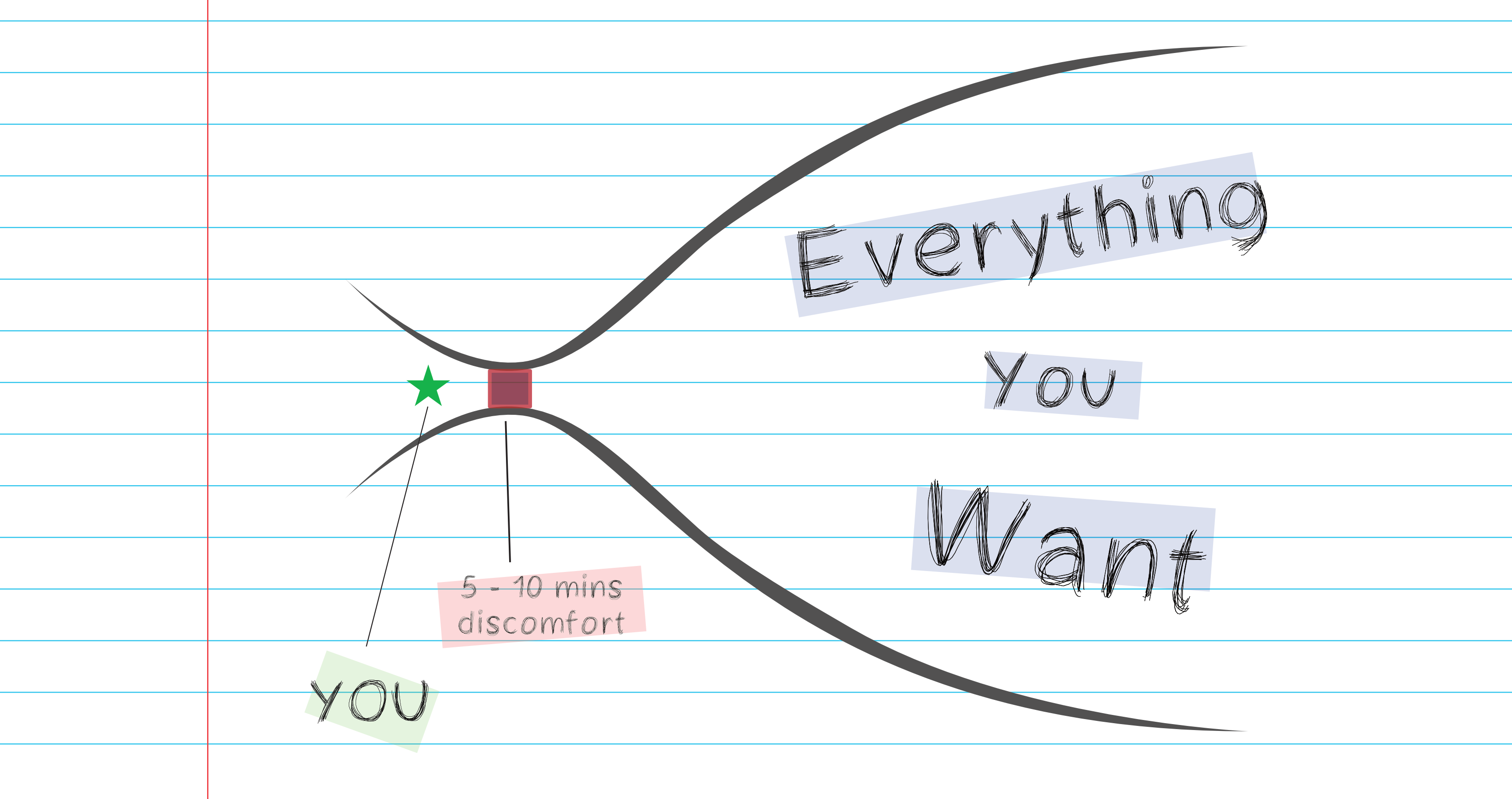
James Clear, in his monumental work Atomic Habits, suggests that instead of committing to a one-hour workout, you should commit to putting on your training shoes. Try that for a few days.
Once you've started, continuing becomes much easier.
Robin Sharma in the The 5AM Club suggests going to sleep in your workout clothes, so there's one less cognitive hurdle to overcome in the morning.
These small hacks are often the key, as the body can work on autopilot and the willpower muscle is left out of the equation.
For example:
Your brain loves routines.
Lay out your gym clothes the night before. Or sleep in them!
Prepare healthy lunches in advance.
Remove as many excuses as possible. Remember, we want to use as little willpower as possible!
If you had to report your progress every day to someone who genuinely wanted you to succeed, would you be more likely to stick with your plan?
For most people, the answer is yes.
Accountability works because it changes the conversation from:
"I'll do it later."
to:
"I'll need to explain why I didn't."
This creates positive pressure that keeps your goals visible instead of forgotten.
Whether it's a workout partner, coach, friend, or accountability group, knowing someone is checking in can make a huge difference.
Trying to stay disciplined completely alone is difficult.
Being surrounded by people working toward their own goals creates momentum.
You celebrate wins together.
You encourage each other after setbacks.
You realise everyone struggles sometimes.
That's one reason accountability communities have become increasingly popular. Rather than relying only on self-discipline, members benefit from daily encouragement and regular check-ins that help keep healthy habits front of mind.
Services like KeepMeAccountable combine exclusive WhatsApp groups with daily accountability and encouragement from a real people. Instead of feeling like you're tackling your goals alone, you're part of a supportive group where everyone is working toward becoming more consistent.
AI is making tremendous progress, facilitating streamlined learning and upskilling in countless industries: tech, finance, healthcare, and more. But it falls flat when trying to assist in the essentially-human problems. Sure, you can build your multi-tenant agent to bug you to get out of bed in the morning, but ultimately knowing that there isn't a beating heart behind that neural network is enough to make it feel hollow.
The human touch is what drives accountability. The subtle smile, the nod of approval, that electric moment shared in triumph as you and your friend celebrate the small wins, breathing heavily in the crisp outside as the goal is dominated. AI cannot replace moments like these. Find human accountability and your goals will shine.
If you're asking yourself, "How can I achieve my goals?", here are a few practical strategies you can implement immediately.
Instead of:
"I want to get fit."
Try:
"I'll walk for 30 minutes every Monday, Wednesday, and Friday."
Specific goals are easier to measure and follow.
Keep a simple journal or use an app.
Seeing your streak grow can be surprisingly motivating.
Track things like:
Progress creates momentum.
Nobody follows their plan perfectly.
The thought hack is to see mishaps as part of the plan. Inevitable.
Missing one day isn't failure, as long as you don't give up because of it.
People often wait until they reach the finish line before rewarding themselves.
Celebrate the behaviour instead.
For example:
These small wins deserve recognition.
Write your goals down.
Schedule workouts in your calendar.
Set reminders.
Successful habits are designed, not remembered.
Social media often gives the impression that successful people never miss workouts, always eat perfectly, and wake up excited every morning.
Reality is much less glamorous.
Everyone has difficult days.
Everyone feels unmotivated sometimes.
The difference is that consistent people don't allow one bad day to become a bad month.
They simply restart.
That's a mindset anyone can develop.
Instead of asking whether you're motivated today, ask yourself:
"What's the smallest positive action I can take right now?"
Often, that's all you need.
The answer is to build systems that make consistency easier.
Those systems might include:
When these pieces work together, success becomes much less dependent on willpower.
You don't need to become a different person.
You simply need to make it easier for your future self to keep showing up.
If you've been wondering, "How can I achieve my goals?", remember that lasting success isn't built on motivation alone. It's built through consistent action, realistic expectations, and support from people who want to see you succeed. Small habits, repeated daily, often produce bigger results than occasional bursts of enthusiasm.
If staying accountable has always been your biggest challenge, consider exploring solutions that help you stay focused every day. Communities like KeepMeAccountable offer daily check-ins, encouragement, and the kind of support that makes healthy habits easier to maintain. You don't have to do it alone. And sometimes, that's exactly what makes the difference.